The official title is “Law 7/2023, of March 28, on the protection of the rights and well-being of animals.”
It was published on Friday, 29th September.
Main Changes and Prohibitions:
Some past habits of pet owners could lead to fines.
One notable change: Owners can no longer leave their dogs tied up outside supermarkets or other establishments while shopping.
As per section d) of Article 27: It’s prohibited to leave pets ‘tied or wandering through public spaces without in-person supervision by the person responsible for their care and behavior.
Breaching this rule, among others in the law, may result in a fine
Penalty Framework:
Article 73 categorises leaving a dog tied up in this manner as a minor infraction.
Penalty breakdown:
Minor infractions:
Warning or a fine between €500 and €10,000.
Serious violations: Fine of €10,001 to €50,000.
Very serious infractions: Fine of €50,001 to €200,000.
Insurance Considerations:
The General Directorate of Insurance (DGS) issued guidance on the insurance implications.
Key points from the circular:
Insurance for dogs isn’t mandatory unless stated by regional or local regulations or specific use-cases involving the dog.
Existing dogs continue to be covered by home insurance, barring exceptions like dangerous breeds or those needing specific civil liability insurance.
As an indicative price for civil liability of €300,000:
The annual premium ranges from €50 to €90, with an excess of €150 to €300.
This law marks a significant change in Spain’s approach to animal welfare, emphasising the well-being and protection of pets.
Living in one of Spain’s vibrant urbanisations is a unique experience. However, along with the joys come certain responsibilities. It’s a delicate balance of community benefits and individual rights.
The Purpose of Comunidad de Proprietarios
Spain’s urban areas house numerous Comunidad de Proprietarios – a gathering of property owners ensuring that the shared elements of the community, like swimming pools and gardens, are maintained. Through annual meetings, decisions about the community’s upkeep are discussed and implemented. This communal spirit keeps the neighbourhood vibrant and cohesive.
Benefits and Drawbacks
Isn’t it fascinating how a collective can influence the quality of living? Let’s explore.
Merits of Living in a Spanish Community
A well-functioning community ensures that properties remain pristine, rules are adhered to, and the occasional transient visitors respect the community’s ethos.
Potential Disadvantages to Consider
However, it’s not all roses. Altering your property may require permissions, and the rules set by the community can sometimes feel restrictive. Conflicts over community fees and disagreements among members can also be sources of tension.
What to Know Before You Buy
Knowledge is power. Before buying property in Spain, take the time to learn about the community you’ll potentially become a part of.
An Insight into Community Fees
Ah, community fees! A crucial part of community living but often a bone of contention. How does it work?
Fee Structure and Collection
Based on the property’s title deeds, each owner pays an annual fee that varies from one community to another. Depending on the community’s preference, these fees can be collected monthly, quarterly, or even yearly.
How Fees are Used
Maintenance of common areas and lifts
Upkeeping gardens and cleanliness
Administrative costs
Security measures and personnel
And the enticing community pool you can’t wait to dive into!
Challenges in Fee Collection
But sometimes, collecting fees isn’t smooth sailing. Communities might struggle if many properties remain vacant or if certain members become defaulters. Such issues can lead to increased expenses for active community members.
Consequences of Not Paying Fees
Unpaid fees? Expect restrictions. You’ll lose your voting rights in annual meetings and won’t have a say in crucial decisions. And remember, selling your property will require clearing all dues. And let’s not confuse these with the Spanish council tax, which covers external services like road maintenance.
Running a Community: What to Expect
Every Comunidad de Proprietarios has its rhythm and rules. And you, as a property owner, are right in the mix.
Leadership and Administration
Each community elects a president, an owner like you, and employs an administrator familiar with community laws. Their combined efforts keep the community ticking.
Annual General Meetings
This is where the magic happens! Budget discussions, statute approvals, and other vital decisions are made during this gathering. Owners are encouraged to actively participate, voice concerns, and vote on crucial matters.
Languages and Participation
While Spanish might dominate these meetings, communities with a significant number of foreign members might switch languages. And if you can’t attend? No worries. Delegate your vote to someone trustworthy or appoint a proxy.
Role of Administrators
The appointed administrator ensures that everything runs seamlessly. They maintain records of all meetings which, if needed, can serve as legal evidence.
How Membership Works
The moment you buy a property in Spain’s urbanisation, you’re in! No choices here. You automatically become a member of the Comunidad de Proprietarios and inherit both its benefits and responsibilities.
In conclusion, while the idea of communal living might seem overwhelming, understanding its workings can turn the experience into a delightful one. So, are you ready to embrace Spain’s unique urban communities?
FAQs
How are community fees determined?
Each community decides its fee structure based on annual expenses, and every owner pays according to their property’s title deeds.
Can I avoid joining the Comunidad de Proprietarios?
No, once you buy a property, you automatically become a member.
What if I don’t agree with community decisions?
Attending annual meetings gives you a platform to voice concerns and influence decisions.
How is the community’s leadership chosen?
Members elect a president from among the property owners and hire an experienced administrator.
What’s the difference between community fees and Spanish council tax?
Community fees cover internal community expenses, while the council tax pays for external services like major road maintenance.
10 Reasons Why Living on a Golf Course in Spain is a Game-Changer
Spain is renowned as a tourist haven, but what about making it your permanent home, especially on a golf course? The country offers a perfect blend of tradition, beauty, and modernity, and living on a golf course adds that extra allure for many. Here’s why moving to a golf course in Spain is an ace of an idea!
Affordable Luxury Living
Spain’s cost of living is surprisingly reasonable when compared to other European countries. But what’s even more attractive is the affordability of golf course properties. Here, you get the luxury of pristine views and an upscale lifestyle without breaking the bank.
Golf Course Real Estate is Second to None
Golf courses on the Costa Blanca are surrounded by some of the most stunning properties you’ll find anywhere – from modern villas overlooking the green to traditional Spanish homes that exude charm. Whether you fancy the beach or the mountains, you can have them, along with a backyard that boasts a sprawling golf course.
Diverse Golfing Experiences
Every region in Spain offers a distinct golfing experience. From courses nestled in alpine regions to those hugging the Mediterranean coastline, Spain caters to every golfer’s dream. Spain has got you covered!
Year-round Golfing Weather
Spain’s reputation for year-round sun isn’t exaggerated. Especially on the Costa Blanca, golfers can indulge in their passion throughout the year. The mild winters ensure you’re teeing off no matter the month, making Spain a golfer’s paradise. No winter greens!
A Deep Dive into History
Living in Spain allows you to immerse yourself in its rich tapestry of history. And guess what? Some golf courses are strategically located near historical sites, allowing residents to combine their love for golf with a cultural exploration. Imagine playing golf in the morning and visiting a historic cathedral or Roman ruins in the afternoon.
A Culinary Hole-in-One
Moving to Spain offers a culinary journey like no other. And after a game of golf, what could be better than feasting on traditional dishes like paella, gazpacho, or Gambas al ajillo? Golf course clubs often boast top-notch restaurants serving the best of Spanish cuisine, ensuring your taste buds are always satisfied.
Engage with a Passionate Community
Living on a golf course ensures you’re part of a community that shares your passion. Engaging with fellow golf enthusiasts, joining clubs, and participating in local tournaments can make your Spanish journey even more memorable. Most have regular morning roll-ups!
Health and Well-being
Beyond the sheer enjoyment of the game, golf is a great way to stay active and healthy. The expansive greens offer a serene environment for both mind and body. In Spain, you can take advantage of this amidst the backdrop of beautiful landscapes, making it the ideal place for holistic well-being.
Eco-friendly Living
Many golf courses in Spain are increasingly becoming eco-conscious, ensuring sustainability and reduced environmental impact. Living here ensures you’re part of a community that values green living, allowing you to enjoy luxury with a clear conscience.
Alenda Golf Property: Your Trusted Partner
When considering a move, it’s paramount to have a reliable property expert by your side.
Alenda Golf Property stands out as a proven and specialist property expert, specifically for real estate at Alenda Golf. With a reputation for excellence and a deep understanding of the local market, they ensure your transition is seamless and tailored to your preferences.
In conclusion, for those with a penchant for golf and a love for all things Spanish, living on a golf course in Spain is the perfect blend of sport, luxury, and culture.
Why just vacation in Spain when you can live the dream every day?
The average price of used property in Spain this August 2023 stood at 2,084 euros per square meter, which is an increase of 0.62% compared to July and an increase of 6.83% on last year.
Year-on-year, the most striking increases in house prices were in the Balearic Islands (+16.89%), the Canary Islands (+13.13%) and the Valencian Community (+12.35%).
In terms of Spanish provinces, the largest increases from one year to the next were in Malaga (+17.96%), the Balearic Islands (+16.89%) and Santa Cruz de Tenerife (+16.29%). The sharpest decreases, on the other hand, were in Ourense (-5.27%), Zamora (-4.63%) and Toledo (-4.09%).
The most expensive autonomous communities to buy a property in Spain this August were the Balearic Islands (4,150 euros per square meter), Madrid (3,524 euros/m2) and the Basque Country (3,001 euros/m2).
Despite the fact that the granting of mortgages by Spanish banks has cooled off recently, the housing market in Spain is going full steam ahead. Prices are also rising due to the slow progress of new build developments, which are being hampered by a rise in the cost of construction materials.
Given this strong demand for property in Spain, coupled with a low level of new-build supply, it seems unlikely that house prices will drop any time soon.
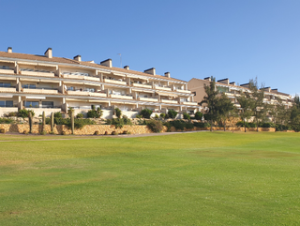
Alenda Golf is a residential golf resort located in Alicante, Spain.
It is known for its beautiful golf course and properties situated around it.
If you’re looking for information about Alenda Golf property, here are some key points:
Property Types: Alenda Golf offers a variety of property types, including apartments, townhouses, and villas. These properties often come with views of the golf course or the surrounding countryside.
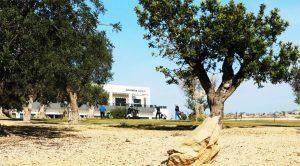
Amenities: Residents of Alenda Golf can enjoy various amenities such as a clubhouse, restaurant, golf shop, fitness centre, and tennis courts. The golf course itself is an 18-hole championship course designed by Roland Favrat.
Location: Alenda Golf is situated in the Alicante region of Spain, near the town of Monforte del Cid. It’s conveniently located close to Alicante Airport and the city of Alicante, making it accessible for both residents and tourists.
Real Estate Market: The real estate market in Alenda Golf can vary in terms of pricing and availability. It’s a popular destination for golf enthusiasts and those seeking a tranquil yet accessible location in Spain.
Investment Opportunities: Some individuals purchase properties in Alenda Golf as an investment for rental income or as a vacation home. You might want to explore the potential for rental income or capital appreciation when considering a property here.
Local Attractions: Apart from golf, the area offers various attractions such as beautiful beaches along the Costa Blanca, historic towns, and cultural events.
To get more specific information about available properties, pricing, and the current real estate market in Alenda Golf, it’s advisable to contact your local real estate agent or visit their official website at Alenda Golf Property (www.alendagoldproperty,com).
The ebb and flow of time, especially with the shifting of our clocks, is a topic of discussion that arises annually in many nations. This age-old ritual, designed to maximise our daylight hours, has historical roots.
In Spain, however, there’s an intriguing twist to this story that directly impacts activities such as winter golf.
Though Spain’s geographical position places it within the Western European Time Zone (WET, or GMT), a decision made during World War II by General Francisco Franco to align Spain’s time with Germany shifted it into Central European Time (CET).
This move caused Spain’s natural day-to-night rhythm to skew, meaning they often experience daylight when it should technically be night. It’s a characteristic that has been embraced as part of Spain’s unique cultural tapestry.
Let’s then ponder: while we in the UK eagerly await that extra hour of sleep, when does this moment come for our friends in Spain? And how does it affect those keen to get in a late afternoon round of golf?
In the UK, the advent of Daylight Saving Time (DST) occurs on the last Sunday of March, where we push our clocks forward from 1 am to 2 am. Then, on the last Sunday of October, we revert to Greenwich Mean Time (GMT) and pull them back, granting us that coveted additional hour of sleep.
Spain follows a similar pattern. They adjust their clocks forward in March’s last weekend and dial them back in October’s final weekend. While the mechanics of the change might be shared, the implications differ, especially for those keen on their golf.
For golf enthusiasts, the earlier onset of darkness in the winter months poses a challenge. In the UK, golfers often find themselves rushing to finish their game before the encroaching twilight.
In Spain, the challenge is accentuated. With its time zone already misaligned with its geographical position, the shortened days make late afternoon and evening golf sessions near impossible during the peak of winter.
In essence, both nations anticipate that additional sleep hour in October.
However, for golfers, this time shift also serves as a reminder of the shorter winter days that limit their time on the greens. Spain’s unique time alignment story underscores how history, politics, and geography can intertwine, influencing not just cultural norms, but also recreational activities.
So, as you curl up for that extra hour this October, spare a thought for the golfers in Spain, navigating their passion amidst the quirks of time.
British Expats Have Two Days Left To Exchange UK Driving Licence
A final reminder for British expatriates who still hold a UK driving licence.
For British residents of Spain, the deadline to exchange your UK licence for a Spanish one is Friday, September 15. Failure to do so will mean you will be unable to drive your car legally on Spanish roads.
This is a culmination of tense negotiations over the last few years that followed Brexit, as the UK Government and Spanish authorities aimed to clarify issues around driving licences.
Three earthquakes were recorded in the Alicante Province
Three earthquakes were recorded in the Alicante Province during the recent DANA weather phenomenon that affected Spain. These tremors, ranging from one to three magnitudes on the Richter scale, were not strong enough to cause any damage. Two of the earthquakes occurred on the evening of Sunday, September 3, with only a three-minute gap between them.
The first tremor, measuring 2.9 magnitude, was felt in the southeast area of Hondón de los Frailes at around 11:45 pm. Despite being of low intensity (III) and occurring at a depth of 0 km, it did not result in any damage. Residents in Crevillent, Aspe, Elche, Novelda, and Monforte del Cid also felt the tremor, but no harm was reported.
On Monday the 4th, at 10:57 am, a third quake was recorded in Santa Pola. It had a magnitude of 1.8 and occurred at a depth of 15 km, without causing any damage.
New Rules for Brits Travelling to Europe Next Year
The rules for travel to Europe are changing. From next year onwards, any Brits thinking of a European holiday will need a new travel permit to enter certain European countries.
From 2024, British tourists heading to 30 European countries, including popular spots such as Spain, France, Greece, and Cyprus, will need to acquire a European Union travel permit. This is a part of the European Travel Information and Authorisation System (ETIAS).
The ETIAS Scheme: What You Need to Know
The ETIAS system connects the travel permit directly to the traveller’s passport. According to the EU’s official site, it will be ‘valid for up to three years or until the passport expires.’
The European Union recommends that this authorisation be secured even before arranging any travel: ‘We strongly suggest you secure the ETIAS travel authorisation prior to purchasing your tickets and reserving your hotels.’
The site states: ‘Most applications are processed within minutes.’ However, they further note: ‘Your application might take longer to process. If so, a decision will be reached within four days. Please be aware that this period might extend by up to 14 days if additional information or documentation is required, or up to 30 days if an interview is scheduled.’
Therefore, it’s wise for anyone considering travelling to Europe to apply for the ETIAS travel authorisation well ahead of their trip.
Application Process and Key Guidelines
To acquire this permit, an application form must be filled out. This can also be done by an authorised person, such as a family member or travel agent. An application fee of €7 is necessary.
Ensure your travel documents, like your passport, are up to date and have ample validity left: ‘We recommend not travelling with a document nearing its expiration.’
Your ETIAS Checklist
Apply for the ETIAS travel authorisation well in advance – before purchasing your ticket or reserving your stay.
Ensure your passport details match those on your ETIAS authorisation – discrepancies will result in being denied boarding and entry.
Ensure your ETIAS travel authorisation remains valid.
Ascertain the duration of your stay in the European countries that require ETIAS.
Ensure your passport is valid for three months post your intended departure date from the European countries needing ETIAS – failing to do so will lead to refusal at the border.
Non-compliance could lead to denied entry, so it’s prudent to organise all essential paperwork well ahead of your trip.
This website uses cookies to improve your experience while you navigate through the website. Out of these, the cookies that are categorized as necessary are stored on your browser as they are essential for the working of basic functionalities of the website. We also use third-party cookies that help us analyze and understand how you use this website. These cookies will be stored in your browser only with your consent. You also have the option to opt-out of these cookies. But opting out of some of these cookies may affect your browsing experience.
This website uses cookies to improve your experience while you navigate through the website. Out of these, the cookies that are categorized as necessary are stored on your browser as they are essential for the working of basic functionalities of the website. We also use third-party cookies that help us analyze and understand how you use this website. These cookies will be stored in your browser only with your consent. You also have the option to opt-out of these cookies. But opting out of some of these cookies may affect your browsing experience.
Necessary cookies are absolutely essential for the website to function properly. These cookies ensure basic functionalities and security features of the website, anonymously.
Cookie
Duration
Description
cookielawinfo-checbox-analytics
11 months
This cookie is set by GDPR Cookie Consent plugin. The cookie is used to store the user consent for the cookies in the category "Analytics".
cookielawinfo-checbox-functional
11 months
The cookie is set by GDPR cookie consent to record the user consent for the cookies in the category "Functional".
cookielawinfo-checbox-others
11 months
This cookie is set by GDPR Cookie Consent plugin. The cookie is used to store the user consent for the cookies in the category "Other.
cookielawinfo-checkbox-necessary
11 months
This cookie is set by GDPR Cookie Consent plugin. The cookies is used to store the user consent for the cookies in the category "Necessary".
cookielawinfo-checkbox-performance
11 months
This cookie is set by GDPR Cookie Consent plugin. The cookie is used to store the user consent for the cookies in the category "Performance".
viewed_cookie_policy
11 months
The cookie is set by the GDPR Cookie Consent plugin and is used to store whether or not user has consented to the use of cookies. It does not store any personal data.
Functional cookies help to perform certain functionalities like sharing the content of the website on social media platforms, collect feedbacks, and other third-party features.
Performance cookies are used to understand and analyze the key performance indexes of the website which helps in delivering a better user experience for the visitors.
Analytical cookies are used to understand how visitors interact with the website. These cookies help provide information on metrics the number of visitors, bounce rate, traffic source, etc.
Advertisement cookies are used to provide visitors with relevant ads and marketing campaigns. These cookies track visitors across websites and collect information to provide customized ads.